The IAU Hands-On Workshops (I-HOW) are a series of training initiatives by the International Astronomical Union (IAU) designed to train early-career scientists, particularly in developing countries, to use archival astronomical data for research. These (typically) 2-week, practical workshops (50% hands-on) cover various wavelength domains and analysis tools for ground-based and Space telescopes.
I-HOW in Radio Astronomy will take place on 01-11 September 2026 in the Byurakan Astrophysical Observatory (BAO), Armenia. The organizers already have an experience for such workshop based on the previous I-HOW in Radio Astronomy held on 04-15 September 2023 in Erciyes University, Kayseri, Türkıye (https://ihowradioastro.github.io/). This I-HOW will be combined with the 10th Byurakan International Summer School (10BISS) for Young Astronomers and additional subjects on “Our Unstable Universe” will be taught.
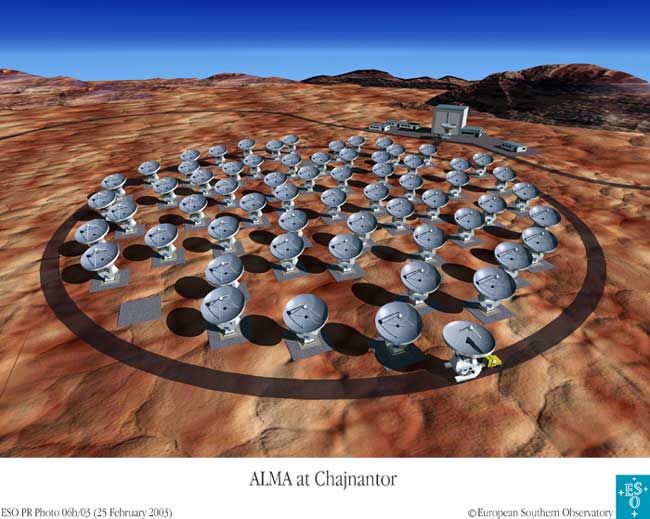
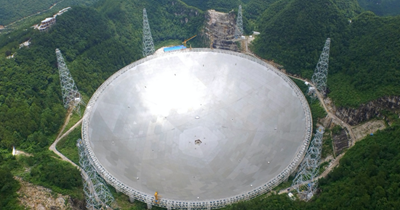
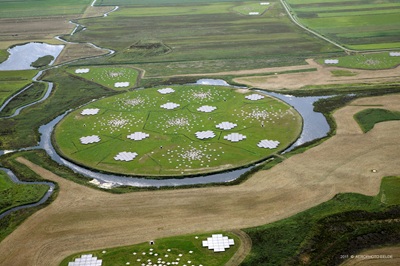
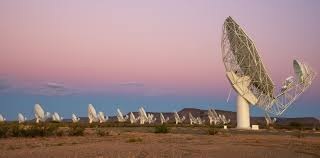
The I-HOW Radio Astronomy Capacity Building Workshop aims to provide a unique platform for students and young researchers from developing countries to learn how to analyze radio data from arrays such as VLA, ALMA, MeerKAT, LOFAR and others. It will ideally open a unique opportunity to both increase the science return of the available data archives and encourage the junior to mid-career scientists in the region to learn about Radio Astronomy. A wide range of topics such as star and planet formation, galaxy formation and evolution, the interstellar and intergalactic medium, AGNs, dark matter, dark energy, cosmic magnetism, and transients will be ideally studied through the radio window.
The teams of experts include a number of renowned senior lecturers from various fields. One of the objectives of this Workshop is to inspire and prepare young researchers to use future radio observatories like SKA, ngVLA, etc. which will revolutionize our understanding about the Universe. These short training and teaching programs are very effective and provide ample opportunities for collaborative research with experts. This particular Workshop also aims to highlight a number of research programs, in line with main research themes, in Armenia and neighboring countries and to explore new possibilities of South-West and Central Asian collaborations.
The I-HOW Capacity Building Workshops also promote cultural exchange between participants through various activities outside normal workshop hours. This is the second time the International Astronomical Union (IAU) organizes such a Capacity Building Workshop in Radio Astronomy thanks to the Gordon and Betty Moore Foundation. This workshop is initiated by the Byurakan Astrophysical Observatory (BAO, Armenia) and the Institute for Research in Fundamental Sciences (IPM, Iran).
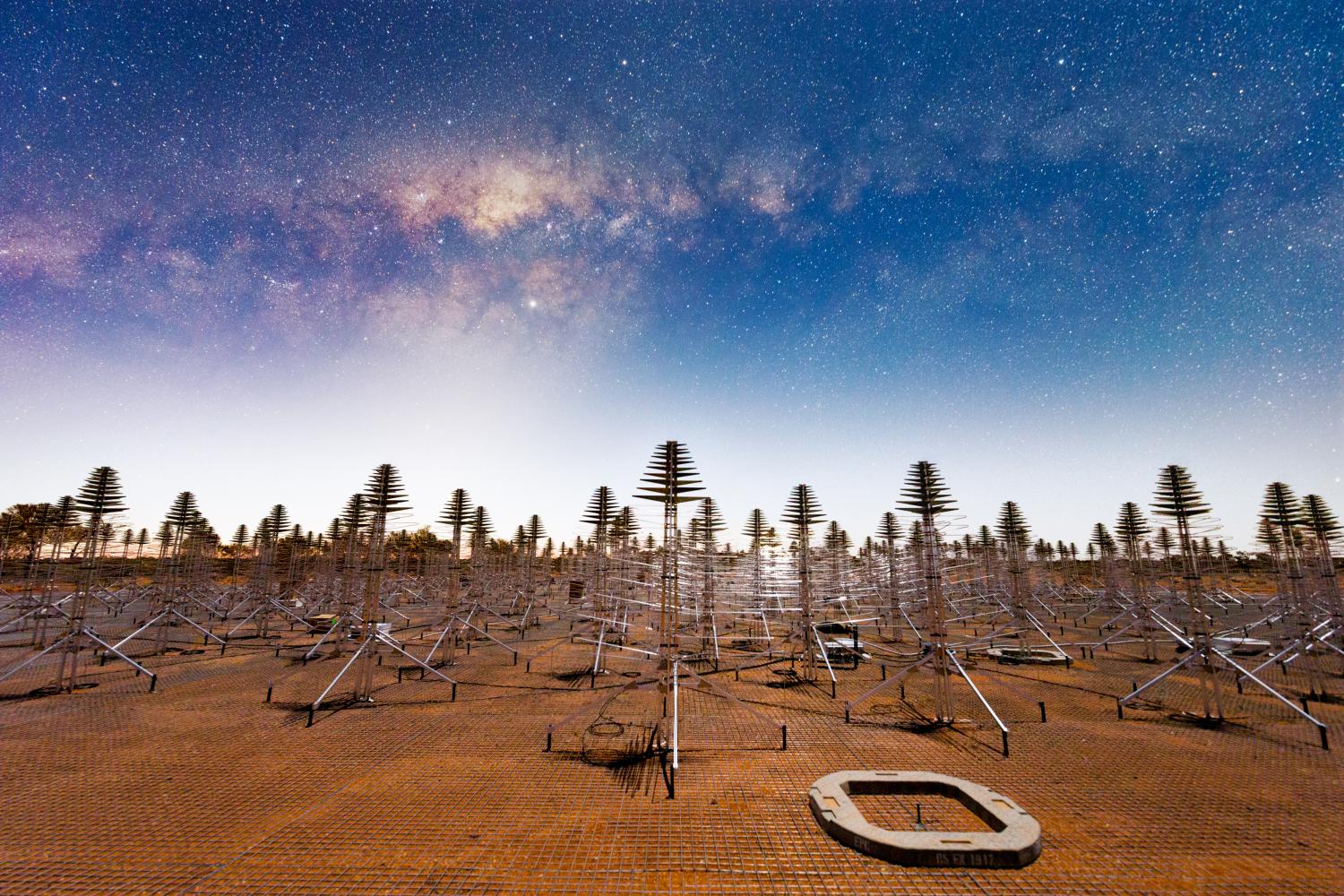
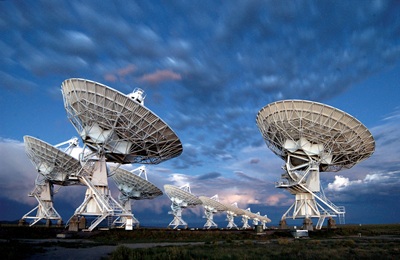
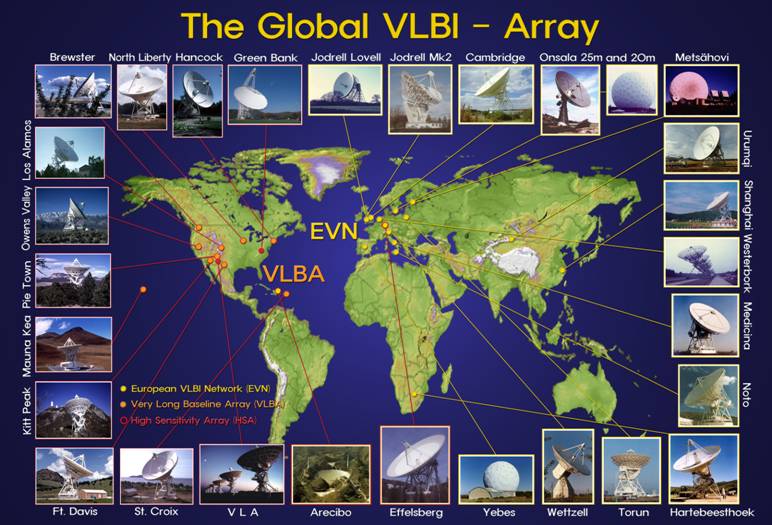
The 10th Byurakan International Summer School (10BISS) for Young Astronomers will be the 10th school of the series of Byurakan International Summer Schools (BISS) founded in 2006 and being held once every 2 years, one of the most important and regular astronomical summer/winter schools in the world. According to the analysis of the IAU Division C (Education, Outreach and Heritage), BISS is among the top-3 astronomical schools in the world (together with IAU International School for Young Astronomers (ISYA) and Vatican schools, VOSS), as well as the NEON/OPTICON schools are among the best ones. Various topics are being covered at BISS schools, including astrophysical ones, observations and data reduction, data analysis, surveys and databases, virtual observatories, scientific writing, etc.
This time BISS is entitled “Our Unstable Universe”, which is also the topic of the International Symposium dedicated to the 80th Anniversary of the Byurakan Astrophysical Observatory (BAO). During the school the students will have lectures and practical tutorial sessions on Observational Astronomy (Radio Astronomy will be especially heavily involved), Data Reduction and Analysis, Astronomical Surveys, Catalogues, Archives and Databases, Stars and Nebulae, Galaxies and Cosmology, Theoretical Astrophysics, Astrochemistry and Astrobiology, Virtual Observatories and Astroinformatics, Space Astronomy, Exoplanets and Planetary Science, Interdisciplinary and Multidisciplinary Sciences.
Byurakan Astrophysical Observatory (BAO) is one of the main observational centers of the former Soviet Union and is an important observatory with modern facilities in the region. It was founded in 1946 by the outstanding Armenian scientist V. A. Ambartsumian (1908-1996) and is well known for its large spectroscopic surveys: First and Second Byurakan Surveys (FBS and SBS), undertaken by B. E. Markarian (1913-1985) and colleagues. BAO hosts a number of medium-size optical telescopes, the most important being the 2.6m classical telescope and 1m Schmidt telescope. BAO holds the Digitized First Byurakan Survey (DFBS, or the Digitized Markarian survey), containing ~40,000,000 low-dispersion spectra of ~20,000,000 objects, which has been included in UNESCO “Memory of the World” documentary heritage list and which is the basis of the Armenian Virtual Observatory (ArVO), a member of the International Virtual Observatory Alliance (IVOA). BAO and Armenia host the IAU South West and Central Asian Regional Office of Astronomy for Development (SWCA ROAD) and support the development of astronomy in Armenia, Georgia, Iran, Kazakhstan, Tajikistan and Turkey.
BAO is known for important meetings and summer schools. 7 IAU Symposia and Colloquia have been organized here (1966, 1986, 1989, 1998, 2001, 2013, 2023). The European Annual Meeting JENAM was organized by BAO in Yerevan in 2007. The first international meeting on Communication with Extraterrestrial Intelligence (CETI) was organized in Byurakan in 1971. We have organized UNESCO Regional Conferences “Astronomical Heritage of the Middle East” in 2017 and 2025. BAO-ESO Summer School was organized in 1987. Along with the BISS series, BAO and SWCA ROAD also organize a series of Regional Astronomical Summer Schools (RASS; 2019, 2021, 2023, 2025). Many other meetings and schools have been organized as well.
MSc and PhD students in astronomy and young astronomers are eligible for 10BISS, as well as some BSc students at their later stages may apply. English is the working language of the school, so excellent knowledge of English is required. Along with the lectures and tutorials, Students’ Presentations Session will be available. On the following week of the School, BAO-80 Anniversary Symposium will take place so that the 10BISS participants may also apply to take part in this event.